
 Available in US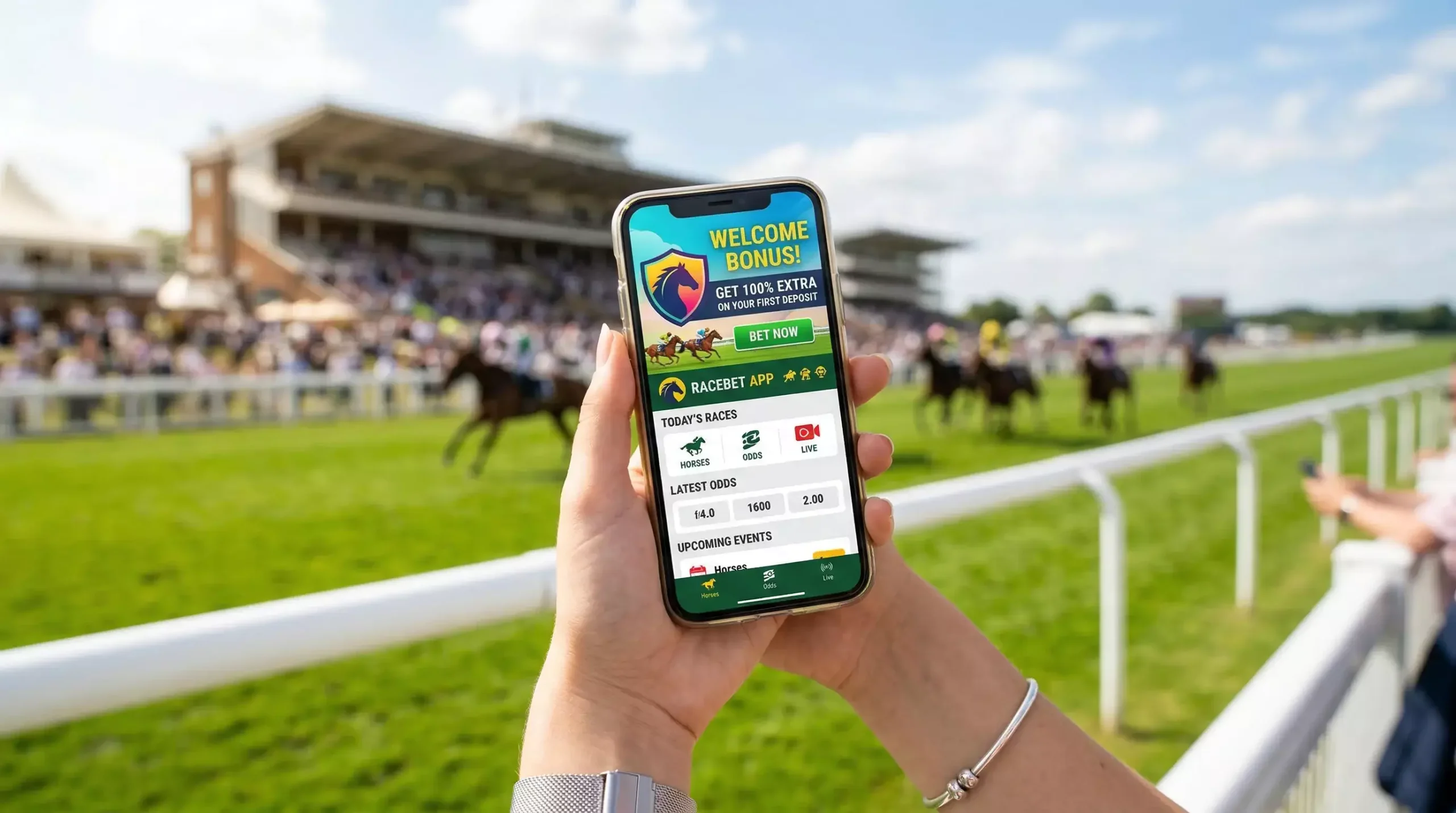
Free bets are the most visible weapon in the bookmaker acquisition war. Open a new account, place a qualifying bet, and the bookmaker credits your account with a free bet — typically between £10 and £40 — that you can use on horse racing or any other sport. The pitch is simple: free money, no strings attached.
Except there are always strings. Free bets are marketing tools, not acts of generosity. Bookmakers budget for them as a customer acquisition cost, priced into the same margin that pays for television advertising and racecourse sponsorship. The bet is “free” in the sense that you do not fund it from your own balance, but the terms governing how it works, what you can withdraw, and what hoops you need to jump through are where the real story lies. For horse racing bettors opening new accounts in 2026, the ability to read the terms — and distinguish a genuinely valuable offer from a dressed-up illusion — is a skill worth developing.
How Horse Racing Free Bets and Welcome Offers Work
A free bet is a token credited to your account that allows you to place a bet without using your own funds. If the bet wins, you receive the profit but not the stake — the free bet token is consumed regardless of the outcome. This is the critical distinction that many new punters miss: a £20 free bet at 4/1 returns £80 in profit, not £100. The £20 “stake” was never real money and is not included in the payout.
The mechanics follow a standard pattern across most UK bookmakers. You register a new account, deposit funds, and place a qualifying bet — usually your first bet on the platform. The qualifying bet must meet specific conditions: a minimum stake (often £10 or £20), minimum odds (commonly 1/2 or evens), and sometimes a required market type (sportsbook only, no virtuals). Once the qualifying bet is settled — win or lose — the free bet is credited, typically within 24 to 48 hours.
The scale of this promotional market is enormous. The Gambling Commission’s annual industry statistics for FY 2024–25 recorded 34 million new account registrations with remote operators in that year alone, down 4.1% on the previous period. Each of those accounts was acquired at a cost, and free bets are the primary vehicle. When you redeem a welcome offer, you are one data point in a multi-billion-pound acquisition engine.
Free bets typically expire within 7 to 30 days. If you do not use them within that window, they vanish. This is deliberate — the time pressure encourages you to bet actively on the platform, which is exactly what the bookmaker wants. There is no obligation to use a free bet on a poor-value selection just because it is about to expire, but the psychological pull is real, and it is designed to be.
Types of Welcome Offers — Matched Deposit, Risk-Free, No-Deposit
Welcome offers come in several flavours, and the differences affect the real value you extract. The three most common structures in the UK horse racing market are matched deposit offers, risk-free bets and no-deposit bonuses.
A matched deposit offer credits a free bet equal to your first deposit, up to a maximum. “Deposit £30, get £30 in free bets” is the classic format. You fund your account, place your qualifying bet, and the free bet arrives once the qualifier settles. The advantage is that the free bet amount is guaranteed — it does not depend on whether your qualifying bet wins or loses. The disadvantage is that you must deposit and risk real money first.
A risk-free bet refunds your first bet as a free bet if it loses. “Bet £20, and if it loses, get a £20 free bet.” If your first bet wins, you keep the winnings and no free bet is issued — you did not need the safety net. If it loses, the free bet compensates. This structure is slightly less valuable than a matched deposit because you only receive the free bet in the losing scenario. A matched deposit gives you the free bet regardless.
A no-deposit bonus is the rarest and simplest type: the bookmaker credits a free bet just for registering, before you deposit any money. These offers are typically small — £5 or £10 — and come with heavier wagering requirements. They are useful for testing a platform risk-free, but the withdrawable value is limited.
Some bookmakers split the free bet into multiple smaller tokens. Instead of one £30 free bet, you might receive three £10 free bets. This can actually be more useful because it lets you spread your free bets across multiple races, reducing the all-or-nothing volatility of a single wager. Whether the split format suits you depends on your betting style — if you prefer one bold each-way punt at a festival, a single large free bet is ideal. If you prefer multiple small selections across a card, split tokens work better.
How to Evaluate the Real Value of an Offer
Not all free bets are worth the same in real terms, even if the headline figure is identical. A £30 free bet with minimal restrictions is worth more than a £40 free bet hedged with punitive conditions. Evaluating the genuine value requires looking past the number and into the terms.
The first metric is the minimum odds requirement. If the free bet can only be used on selections at 1/1 or above, you are forced to back higher-risk selections. If it can be used at any odds, you have the flexibility to place it on a shorter-priced runner with a better chance of returning something. The lower the minimum odds floor, the more valuable the free bet.
The second metric is market restrictions. Some free bets are limited to specific sports or bet types. A “horse racing only” free bet is useful if you are here for the racing. A free bet restricted to accumulators or specific events is less flexible. In an industry that generated £16.8 billion in gross gambling yield across the UK in FY 2024–25, bookmakers have plenty of products to steer your free bet towards — and not all of them are in your interest.
The third metric is the withdrawal policy. Some bookmakers allow you to withdraw free bet winnings immediately. Others impose wagering requirements — you must bet the winnings a certain number of times before you can cash out. A 1x wagering requirement is manageable; a 5x requirement on a £30 free bet means betting £150 in total before withdrawal, which substantially erodes the expected value. Read the terms before you celebrate the headline offer.
Red Flags — Wagering Requirements and Restrictions
Wagering requirements are the most common mechanism for reducing the real value of a free bet, but they are not the only one. Several other red flags are worth watching for when assessing a welcome offer.
Unrealistic qualifying conditions should trigger caution. If the qualifying bet requires minimum odds of 5/1 or higher, the bookmaker is ensuring that most qualifying bets will lose — which means you are funding the offer out of your own pocket. The free bet is not free in any meaningful sense if the qualifying bet is designed to fail.
Short expiry windows compress your decision-making. A free bet that expires in 48 hours forces you to bet on whatever is available, not on what represents value. The best offers give you at least 7 days — ideally 30 — to find a suitable race and selection. Time pressure is a feature, not a bug, and it benefits the bookmaker, not you.
Maximum win caps limit the upside of your free bet. Some offers cap the profit from a free bet at a fixed amount — say, £100 — regardless of the odds. A £20 free bet on a 50/1 winner should return £1,000 in profit, but under a £100 cap, you receive a tenth of that. Caps are disclosed in the terms and conditions, usually in the small print that most punters skip.
The overarching principle is straightforward: if an offer looks too good to be true, the terms and conditions will explain why. A disciplined approach to welcome offers treats them as a modest bonus, not a strategy for profit. Use them, enjoy them, but read the terms before you commit real money to a qualifying bet that may not serve your interests.
